Artificial Intelligence (AI) has quickly moved from being a futuristic concept to an integral part of our daily lives. Its impact is particularly evident in the job market, where AI is changing the kinds of jobs available, how we work, and what skills are in demand. As we move further into 2025, the effects of AI on employment are becoming more pronounced. Some jobs are being replaced, others are evolving, and new opportunities are emerging. This article takes a deep dive into how AI will reshape the job market in 2025, focusing on the various factors at play.
Automation: Replacing Routine Tasks, Creating New Roles
One of the most significant ways AI reshapes the job market is through automation. AI systems increasingly handle routine, repetitive tasks that once required human intervention. Industries like manufacturing, retail, and even services have embraced AI-driven automation to increase efficiency, reduce costs, and minimize human error.
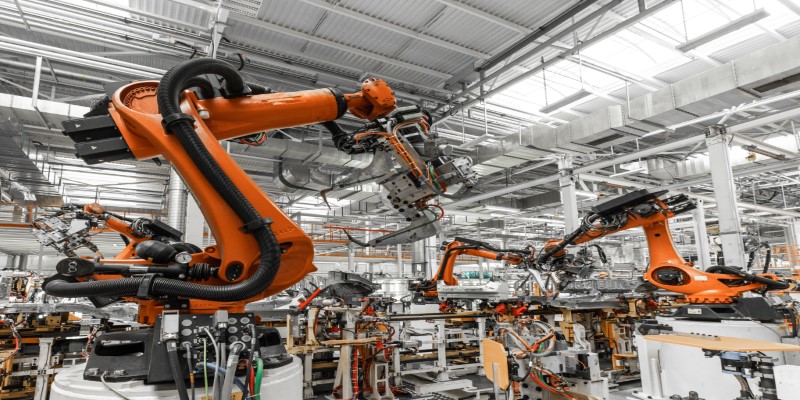
For example, robots and AI-powered machines in the manufacturing sector can perform tasks such as assembly, quality control, and inventory management. This reduces the need for workers to perform repetitive and physically demanding tasks, allowing them to focus on higher-level responsibilities. However, this shift also means that specific low-skill jobs are being replaced, and workers in these roles are at risk of displacement.
At the same time, the rise of automation is creating new jobs. As more industries adopt AI, there is a growing demand for workers who can design, implement, and manage AI systems. Roles like AI engineers, data scientists, machine learning specialists, and robotic technicians are in high demand. These roles require specialized skills and knowledge, creating new avenues for career growth for those willing to adapt and learn.
The Emergence Of Hybrid Roles
While AI can replace specific tasks, it cannot replicate human creativity, emotional intelligence, or complex decision-making skills. This has led to hybrid roles that combine human skills with AI capabilities. These hybrid jobs often require workers to use AI tools to enhance their productivity while leveraging their unique human abilities.

For example, in marketing, AI can help with data analysis, customer segmentation, and campaign optimization. However, the creative aspect of crafting compelling marketing messages, understanding customer emotions, and making strategic decisions still relies on human expertise. As AI continues to take over more technical tasks, professionals in many fields must adapt by developing a deeper understanding of AI and learning to work alongside these systems.
In healthcare, AI is helping doctors with diagnostics by analyzing medical images and patient data and even predicting health trends. However, the healthcare provider's role remains critical, especially when interacting with patients, providing care, and making complex medical decisions. This hybrid model will likely become the norm in many sectors, as AI tools assist workers rather than replace them entirely.
Upskilling And Reskilling: The New Workforce Imperative
As AI reshapes industries, there is a pressing need for upskilling and reskilling. The job market is evolving rapidly, and workers must adapt to the changing demands of the workforce. Upskilling refers to learning new skills to stay competitive in an existing role, while reskilling involves acquiring entirely new skills to transition into a different job.

In 2024, the emphasis is on equipping workers with skills that complement AI technologies. This includes understanding how to work with AI tools, analyze data, and interpret AI-driven insights. In fields such as finance, healthcare, and law, professionals are increasingly expected to be familiar with AI-powered systems that can automate tasks, optimize processes, and provide predictive analytics.
The need for reskilling is also apparent in industries more susceptible to automation. For example, customer service, data entry, and administrative workers must acquire new skills to remain relevant in the job market. Many companies are investing in training programs to help employees transition into more advanced roles, such as AI development, data analysis, and cybersecurity.
Governments, educational institutions, and businesses facilitate upskilling and reskilling efforts. Governments offer incentives for companies to invest in workforce development, while universities and online platforms provide courses in AI, data science, and other tech-related fields.
The Gig Economy And Remote Work: AI's Influence
AI is also significantly impacting the gig economy and remote work. As AI tools become more sophisticated, they enable workers to perform tasks from anywhere in the world. This is particularly true for freelance workers in writing, graphic design, software development, and digital marketing, where AI tools can streamline project management, collaboration, and communication.

Platforms like Upwork, Fiverr, and Freelancer have made it easier for individuals to find work online. AI-driven systems enhance these platforms by helping match freelancers with clients based on skills, availability, and past performance. Additionally, AI tools are being used to automate administrative tasks, such as invoicing and scheduling, making it easier for freelancers to manage their business operations.
AI enables more flexible work arrangements for those working in traditional office environments. With AI-driven collaboration tools and cloud-based platforms, employees can work from anywhere, reducing the need for a physical office. This trend toward remote work is expected to continue growing, especially as companies seek to attract top talent worldwide. AI is not just enabling this shift; it is accelerating it.
AI And Job Displacement: Addressing The Challenges
While AI brings numerous benefits, it also raises concerns about job displacement. As automation continues to replace specific roles, many workers fear losing their jobs to machines. Retail, manufacturing, and transportation sectors are most at risk, with self-checkout systems, robotic warehouses, and autonomous vehicles threatening to eliminate traditional jobs.
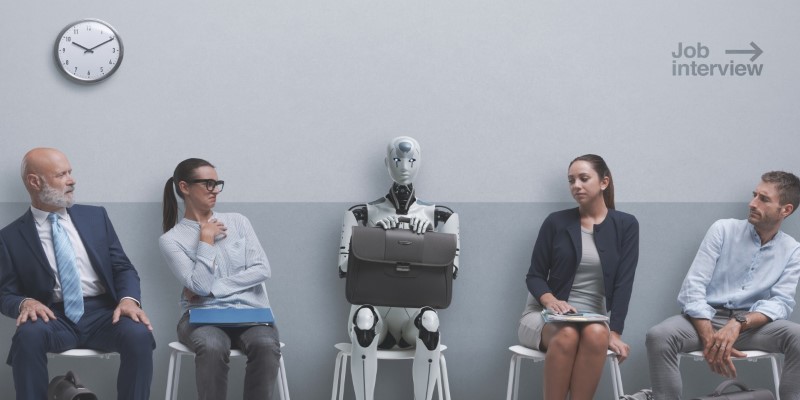
However, experts agree that AI will not lead to mass unemployment. Instead, it is expected to change the nature of work. While some jobs will disappear, new roles require different skills. For example, the rise of AI in manufacturing has created a need for workers who can maintain and repair AI-powered machines. Similarly, as more businesses adopt AI technologies, there will be an increasing demand for AI specialists, data analysts, and cybersecurity experts.
To address job displacement, it is essential to focus on policies that support workers during transitions. This includes investing in education and training programs, providing unemployment benefits, and helping those seeking new employment opportunities. By proactively addressing the challenges of job displacement, we can ensure that AI's impact on the workforce is positive and inclusive.
The Ethical Considerations Of AI In The Workplace
As AI reshapes the job market, important ethical considerations must be addressed. One primary concern is the potential for bias in AI algorithms, which could lead to discrimination in hiring, promotions, and performance evaluations. Companies must ensure that their AI systems are transparent, fair, and free from bias.
Another ethical issue is privacy. AI systems will collect vast amounts of employee data as they become more integrated into the workplace. This raises concerns about how this data is used and whether employees' privacy is respected. Businesses must be transparent about collecting and using data and implement strict data protection measures to safeguard employee privacy.
Finally, there is the issue of worker well-being. AI systems that monitor performance or automate specific tasks can pressure employees to perform at higher levels. Companies must ensure that AI does not lead to burnout or declining mental health. It is essential to balance leveraging AI to improve productivity and maintaining a healthy work environment for employees.
Conclusion
In conclusion, Artificial Intelligence is undeniably reshaping the job market, but its impact is complex. While some jobs are automated, others are evolving, and new opportunities emerge. The key to navigating this change is adaptability—workers must be willing to learn new skills, embrace AI technologies, and find ways to work alongside these systems.
At the same time, companies and governments must invest in upskilling and reskilling initiatives to help workers transition into new roles. By addressing the challenges of job displacement and focusing on ethical considerations, we can ensure that AI's role in the workforce is positive and sustainable. As AI advances, the job market will continue to change, but it is up to all of us—employees, employers, and policymakers—to shape this future in a way that benefits everyone.